
What are antenna radomes made of?
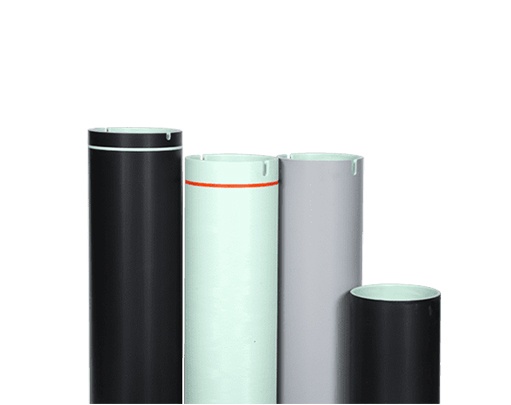
Fiberglass: Fiberglass is a popular choice due to its durability, lightweight nature, and excellent electrical properties. It offers good protection against weather conditions, UV radiation, and mechanical damage. Fiberglass radomes can be molded into various shapes and sizes, making them suitable for different antenna designs.
Polycarbonate: Polycarbonate is a transparent thermoplastic material that provides good impact resistance and high transparency to radio waves. It is often used in radomes where visibility of the antenna is desired, such as in radar systems or communication towers.
Composite Materials: Composite materials, such as carbon fiber-reinforced polymers (CFRP), are increasingly used in radome construction. These materials offer high strength-to-weight ratio, excellent mechanical properties, and good resistance to environmental factors. Composite radomes are commonly used in aerospace applications and high-performance antenna systems.
Polyethylene: Polyethylene is a thermoplastic material that offers good electrical insulation properties and is resistant to moisture, chemicals, and UV radiation. It is often used in radomes for outdoor antennas, satellite dishes, and Wi-Fi equipment.
Expanded Polystyrene (EPS) Foam: EPS foam is a lightweight material with good insulation properties. It is commonly used as a core material in sandwich structures for radomes. The foam core provides structural support while reducing weight, and it is typically sandwiched between layers of fiberglass or other composite materials.
Thermoplastic Polyurethane (TPU): TPU is a flexible and durable material that offers good resistance to abrasion, chemicals, and weather conditions. It is commonly used in portable or handheld antenna radomes that require flexibility and impact resistance.
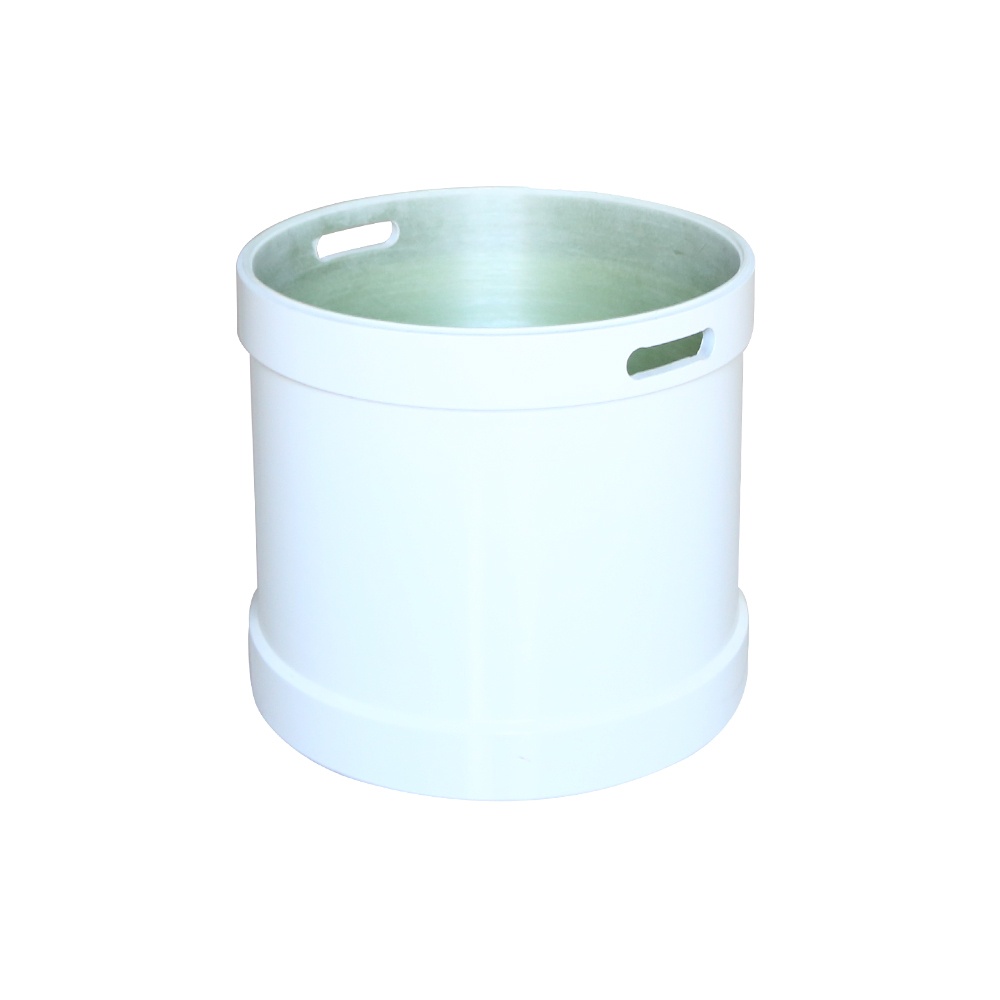
It's worth noting that the choice of radome material depends on the specific application requirements and the desired balance between performance, cost, and environmental factors. Different materials offer varying levels of transparency, electrical properties, impact resistance, and weather resistance, allowing engineers to select the most suitable material for a given antenna system.